
PRISHA SOLAR

Rooftop Solar Panel Installation in Ahmedabad

Design, supply and installation for homes, offices and factories across Ahmedabad and Gujarat, with generation and payback estimated first.

ABOUT PRISHA SOLAR PANELS
Rooftop Solar Panel Company in Ahmedabad and Gujarat

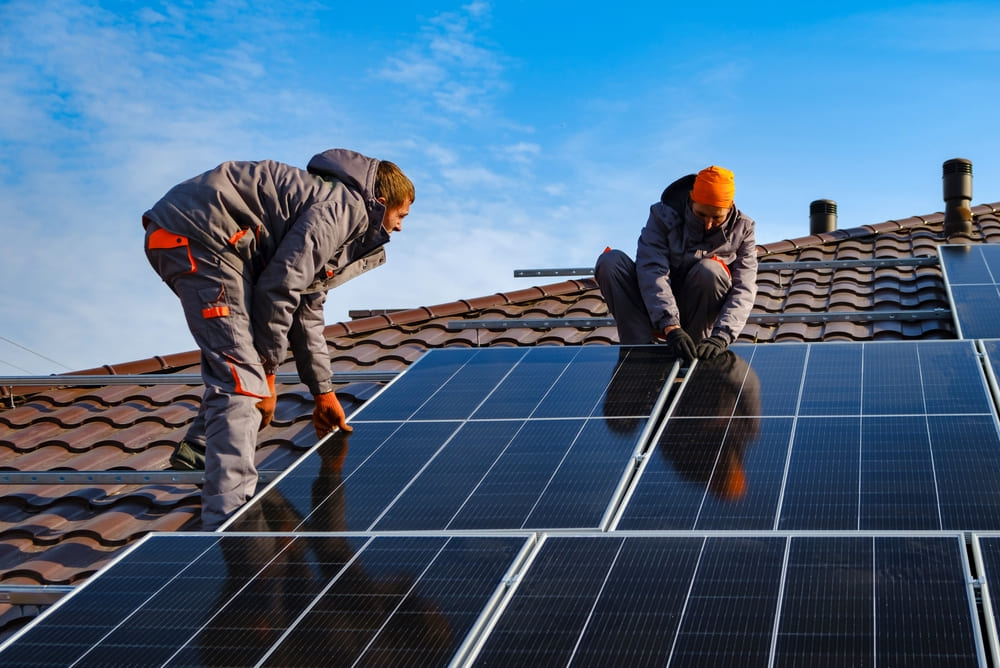
Prisha Solar handles rooftop solar panel installation in Ahmedabad and across Gujarat, for homes, offices and factories. We are empanelled with MNRE, and every system is sized from your electricity bill and your roof before it is quoted.

A rooftop installation is decided by four things: how much electricity you use, how much usable roof you have, which way it faces, and what shades it during the day. We survey all four before proposing a system size, because oversizing costs money that never comes back and undersizing leaves a grid bill you did not need to keep paying.

We have been providing solar solutions to homes and businesses with satisfied customers across Ahmedabad and Gujarat, with 24×7 support and 100% finance options.

ABOUT COMPANY

Monocrystalline or Polycrystalline: Which Solar Panel Type Should You Choose?

Monocrystalline panels produce more from the same roof area and cost more per watt. Polycrystalline panels cost less and need more space for the same output. Which suits you comes down to how much usable roof you have, which is why the choice is made after the survey rather than before it.

Monocrystalline Solar Panels (Mono)

Monocrystalline panels are made from a single, high-purity silicon crystal. They deliver higher efficiency, better performance in low-light conditions, and require less roof space compared to other panel types. Their sleek black design also adds a modern, premium look to your installation.

Polycrystalline Solar Panels (Poly)

Polycrystalline panels are built using multiple silicon crystals, making them a cost-effective choice for homes and businesses. They offer reliable performance, long lifespan, and stable output, especially in areas with consistent sunlight. Their blue-toned surface is the traditional and widely trusted option for solar setups.
OUR WORK PROCESS

What Is the Difference Between On-Grid, Off-Grid and Hybrid Solar Systems?

On-grid systems export surplus to the grid through net metering and shut down during a power cut. Off-grid systems run on battery storage with no grid connection. Hybrid systems combine solar, battery and grid, so the building keeps running through an outage while still exporting surplus.

On-grid solar system

An on-grid system feeds your building first and sends the surplus to the grid, and your bill is settled against what you export. It is the lowest-cost option and the usual choice for a rooftop in Ahmedabad, because the grid does the job a battery would otherwise have to do. The trade-off is that a standard grid-connected system shuts down during an outage, for the safety of anyone working on the line.

Off-grid solar system

An off-grid system has no grid connection and runs entirely on solar with battery storage. It suits locations where the grid is unreliable or absent, and it costs more because the battery has to carry the site through the night and through cloudy days.

Hybrid solar system

A hybrid system manages solar, battery storage and the grid together, so the building keeps running through a power cut and still exports surplus when there is any. It costs more than on-grid because of the battery, and it is the option people choose when an outage is expensive rather than merely inconvenient.

OUR WORK PROCESS

What Size Solar System Do You Need?

System size follows your electricity consumption, not your roof area. A 1kW system generates roughly 4 to 5 units a day in good sunlight, so a home using 300 units a month needs a very different system from one using 900.

System sizeTypical daily generationUsually suits
1kW4 to 5 unitsA small home on a light load, or topping up an existing system
3kW12 to 15 unitsA 2BHK or 3BHK home running fans, lights, a fridge and a pump
5kW20 to 25 unitsA larger home with air conditioning, or a small shop or office
10kW40 to 50 unitsA large home, a commercial unit, or a small factory load

These are starting points, not quotes. Roof space, shading, tilt and the direction the roof faces all move the number, and in Ahmedabad the monsoon months pull the annual average below the dry-season figure. That is why we estimate generation and payback from your own bill and your own roof rather than from a table.

OUR WORK PROCESS

What Determines Solar Panel Price in Ahmedabad?

Solar panel price in Ahmedabad is set by five things: system size, panel type, inverter type, roof conditions and subsidy eligibility. System size is the largest factor, and it follows your electricity consumption rather than your roof area.

  • System size. The biggest single factor. Set by your consumption, not by how much roof you have spare.
  • Panel type. Monocrystalline costs more per watt and produces more from the same area, which matters when roof space is tight. Polycrystalline costs less where there is room to spread out.
  • Inverter type. An on-grid inverter is the lowest cost. A hybrid inverter costs more because of the battery behind it.
  • Roof and access. Tilt, height, how the roof is reached, and the mounting structure that particular roof needs.
  • Subsidy eligibility. This decides what you finally pay rather than what the system costs.

We estimate generation and payback from your electricity bill and your roof before quoting, so the number is for your site rather than an average of everyone else’s.

OUR WORK PROCESS

How Does a Rooftop Solar Installation Work, Step by Step?

Why Choose Us?

Get Solar Panels From India’s Leading Brands

FREQUENTLY ASKED QUESTIONS

Common Questions About Solar

Which type of solar panel is best for my home – mono or poly?

Monocrystalline panels offer higher efficiency and better performance in low-light conditions, making them ideal for homes with limited roof space. Polycrystalline panels are more budget-friendly and deliver reliable output in areas with consistent sunlight.

How much electricity can a solar panel system generate?

The power output depends on panel type, wattage, sunlight exposure, and installation angle. On average, a 1kW system generates 4–5 units of electricity per day under good sunlight conditions.

How long do solar panels last?

Most high-quality solar panels come with a performance lifespan of 25+ years. With proper maintenance and professional installation, they continue delivering strong output for decades.

What warranty do you provide on installation and panels?

We offer a dedicated installation warranty along with brand-specific product and performance warranties from Adani, Waaree, Pahal, and Citizen. This ensures complete protection from workmanship issues and long-term peace of mind.

Do you provide delivery and installation across Ahmedabad and Gujarat?

Yes, we deliver and install for homes, businesses, and industrial projects across Ahmedabad and Gujarat. Our team ensures timely coordination, smooth installation, and end-to-end support.