

Electricity has become one of the most important utilities for modern households. From air conditioners and kitchen appliances to internet routers and EV charging, homes today depend heavily on uninterrupted power. At the same time, rising electricity bills and dependence on grid supply are becoming growing concerns for Indian homeowners.
This is one of the biggest reasons why residential solar panels are gaining attention across India. Homeowners are no longer looking at solar only as a way to save money. Many now see it as a step toward energy independence and long-term stability.
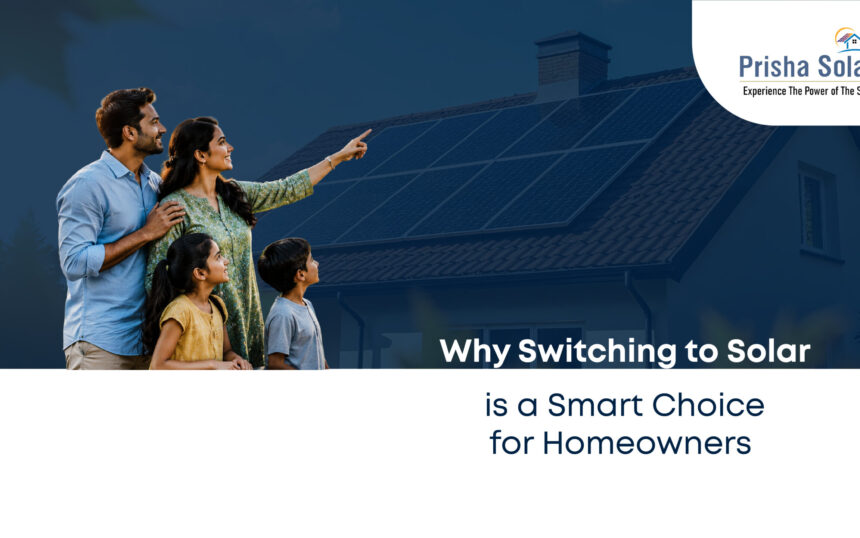
A properly planned solar system for home allows households to generate their own electricity, reduce grid dependency, and gain better control over energy expenses for years to come.
Why are homeowners looking for energy independence?
Traditional electricity supply comes with several uncertainties.
Common concerns include:
- Rising electricity tariffs
- Unexpected power cuts
- Higher electricity usage due to modern appliances
- Growing EV charging demand
- Increasing dependence on external energy supply
For many households, monthly electricity bills are becoming less predictable over time.
Installing solar panels for homes gives homeowners more control over their electricity generation instead of relying entirely on the grid.
How does a solar system for home reduce grid dependency?
A rooftop solar system generates electricity directly from sunlight during the day.
This electricity powers:
- Fans and lights
- Refrigerators
- Air conditioners
- Washing machines
- Home office equipment
- EV chargers
As solar generation increases, dependency on grid electricity decreases.
Average generation capacity:
- 1 kW system → 4–5 units daily
- 3 kW system → 12–15 units daily
- 5 kW system → 20–25 units daily
For medium-sized households, this can cover a major portion of daily electricity needs.
Can residential solar panels help during power cuts?
Grid-connected solar systems primarily reduce electricity bills, but they can also support backup solutions when combined with batteries or hybrid inverters.
With battery support:
- Solar energy can be stored
- Essential appliances continue operating during outages
- Dependency on diesel generators reduces
This becomes especially useful in areas facing frequent voltage fluctuations or scheduled power cuts.
Why are electricity bills pushing homeowners toward solar?
Electricity costs in India have increased steadily over the years.
For example:
- Homes paying ₹4,000–₹6,000 monthly bills today may spend several lakhs over the next decade if tariff increases continue.
At the same time:
- Solar installation is mostly a one-time investment
- The system continues generating electricity for 20–25 years
This long-term cost stability is one of the strongest reasons homeowners are adopting solar panels for homes.
How much can homeowners save with a solar system for home?
Savings depend on system size and electricity consumption.
Typical reduction estimates:
- Small systems → 50–70% reduction in bills
- Medium systems → 70–90% reduction
- Larger systems → near-total offset in some cases
The average payback period for residential solar panels is generally around:
- 4 to 6 years
After that, electricity generation becomes essentially free while savings continue for many more years.
How do government subsidies improve affordability?
Government support has made rooftop solar more accessible for homeowners.
Under the PM Surya Ghar: Muft Bijli Yojana:
- Up to ₹30,000 subsidy for 1 kW
- Up to ₹60,000 subsidy for 2 kW
- Up to ₹78,000 subsidy for systems 3 kW and above
These subsidies significantly reduce the effective installation cost of a solar system for home.
Are EMI solar panels helping more families adopt solar?
Yes, financing options are improving accessibility.
Many providers now offer:
- Monthly EMI plans
- Solar financing assistance
- Flexible repayment options
This allows homeowners to install EMI solar panels without heavy upfront financial pressure.
In many cases:
- Monthly EMI becomes comparable to the savings achieved in electricity bills.
How does net metering improve energy independence?
Net metering allows homeowners to export excess electricity generated during the day to the grid.
Benefits include:
- Energy credits for unused electricity
- Reduced future electricity bills
- Better financial efficiency of the system
This ensures homeowners maximize value from their rooftop solar installation.
Why are EV owners increasingly choosing residential solar panels?
Electric vehicles are increasing home electricity usage significantly.
For example:
- Daily EV charging can add considerable monthly electricity consumption.
Because of this, many EV owners now install solar panels for homes to support both household electricity and EV charging.
This helps:
- Lower charging cost
- Reduce fuel dependency
- Improve long-term savings
Solar and EV adoption are increasingly becoming connected lifestyle decisions.
Does a solar system for home increase property value?
Homes with rooftop solar systems are often viewed as:
- More energy-efficient
- More future-ready
- Lower in long-term operating cost
As energy awareness increases, properties with solar installations may gain stronger buyer interest in urban markets.
Why does installation quality matter for long-term energy independence?
Proper installation directly impacts:
- Electricity generation
- System efficiency
- Long-term reliability
- Return on investment
A poorly designed system may reduce expected savings and performance.
Many homeowners prefer working with the best solar company in Ahmedabad to ensure proper system sizing, installation quality, and long-term efficiency.
Why are Indian homes switching to solar?
The shift toward solar is no longer driven only by environmental awareness.
Homeowners are now choosing solar because it offers:
- Lower electricity bills
- Better control over energy costs
- Reduced dependency on grid electricity
- Long-term financial savings
- Better support for EV charging and future energy needs
This practical value is making rooftop solar increasingly common across Indian cities.
Conclusion
The growing adoption of residential solar panels reflects a larger shift toward energy independence and long-term financial stability. As electricity costs continue rising, homeowners are looking for ways to generate their own power and reduce dependence on traditional electricity supply.
A properly installed solar system for home offers consistent savings, better energy control, and long-term reliability. For Indian households planning future energy needs realistically, rooftop solar is becoming one of the most practical investments available today.