


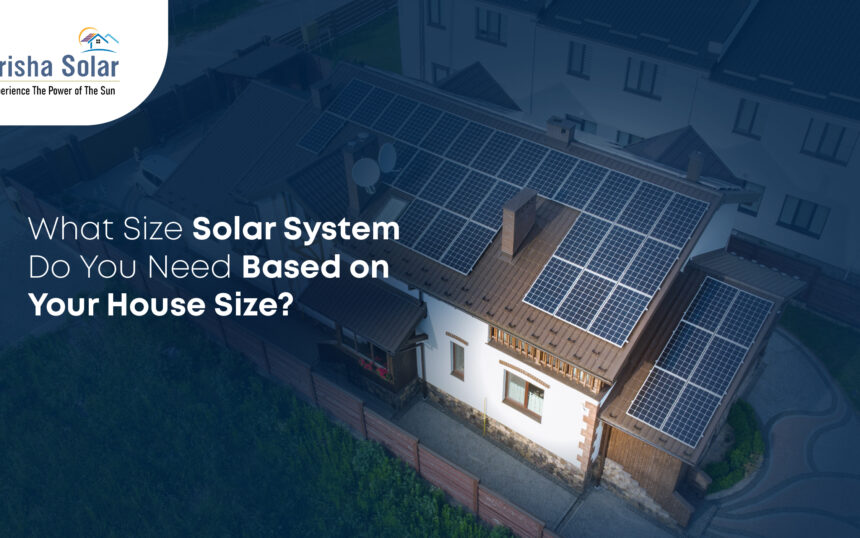
One of the most common questions homeowners ask before switching to solar is, “What size solar system do I need?” While many people assume the answer depends entirely on the size of the house, the reality is slightly different.
The ideal solar system for home depends on a combination of factors including electricity consumption, family size, appliance usage, roof space, and future energy needs. A small home with heavy air conditioner usage may require more solar generation than a larger home with moderate electricity consumption.
Understanding how these factors work together can help homeowners make better decisions when evaluating solar panels for home.
Does House Size Determine the Solar System You Need?
House size is an important factor, but it should not be the only consideration.
A solar system should be designed around:
- Monthly electricity consumption
- Number of family members
- Appliance usage patterns
- Air conditioner usage
- Future plans such as EV charging
- Available rooftop space
Two homes with identical square footage may have completely different energy requirements depending on how electricity is used.
This is why professional energy assessment is often the first step in planning a residential solar installation.
How Does Electricity Consumption Affect Solar Planning?
Electricity consumption provides a clearer picture than house size alone.
Homeowners can review their electricity bills to understand:
- Monthly units consumed
- Seasonal consumption spikes
- Air conditioning impact
- Long-term usage trends
Generally, higher electricity consumption creates greater opportunities for savings through residential solar panels.
The goal is not simply to install solar. The goal is to install a system that aligns with actual energy needs.
Solar Needs Based on Different Home Types
The table below provides a general comparison of residential energy patterns.
| Home Type | Typical Family Size | Electricity Usage Pattern | Solar Planning Consideration |
| Small Home | 2–3 Members | Lower consumption | Focus on bill reduction and future needs |
| Medium Home | 4–6 Members | Moderate consumption | Balance current and future energy usage |
| Large Home | 6+ Members | Higher consumption | Maximize long-term savings and energy independence |
The actual system requirement should always be determined through an energy assessment rather than house size alone.
What Should Small Homeowners Consider Before Installing Solar?
Many homeowners believe solar is only beneficial for large properties.
In reality, small homes can benefit significantly from solar panels for home, especially when:
- Electricity bills are increasing
- Multiple appliances are used daily
- Work-from-home setups increase energy usage
- Future consumption is expected to grow
Even modest reductions in electricity bills can create meaningful long-term savings.
Government initiatives such as PM Surya Ghar Yojana have also made rooftop solar more accessible for residential users.
How Should Medium-Sized Families Plan for Solar?
Medium-sized households often experience growing electricity consumption over time.
Common reasons include:
- Additional air conditioners
- More household appliances
- Children’s study and entertainment devices
- Work-from-home requirements
When planning a solar system for home, medium-sized families should consider not only current electricity usage but also expected future demand.
A system designed only for today’s requirements may become insufficient as energy consumption increases.
Why Do Large Homes Often See the Highest Solar Benefits?
Large homes typically have:
- Higher electricity consumption
- More air conditioning units
- Greater appliance usage
- Larger roof areas
These factors often make solar particularly attractive because the potential for electricity bill reduction is greater.
Many villa owners and large-property homeowners are increasingly adopting residential solar panels to manage long-term energy costs and improve energy independence.
In some cases, homeowners also use solar to support electric vehicle charging and home automation systems.
Does Roof Space Matter as Much as Electricity Consumption?
Yes.
Even if electricity consumption is high, sufficient rooftop space is necessary for an effective solar installation.
Factors that influence rooftop suitability include:
- Available shadow-free area
- Roof orientation
- Structural condition
- Obstructions such as water tanks or equipment
A site inspection helps determine whether the roof can support the planned solar installation efficiently.
Should You Plan for Future Energy Needs?
Absolutely.
One of the most common mistakes homeowners make is sizing their solar requirements only around current consumption.
Future considerations may include:
- Purchasing an electric vehicle
- Installing additional air conditioners
- Expanding the home
- Increasing family size
- Setting up a home office
These factors can significantly impact electricity demand over the next several years.
Planning ahead helps ensure the solar investment remains effective for the long term.
How Can Government Benefits Improve Affordability?
Residential solar adoption has become more attractive due to government support initiatives.
Benefits may include:
- Rooftop solar subsidies for eligible homeowners
- Net metering advantages
- Financing and EMI options
- Reduced installation costs
These programs help homeowners recover their investment faster while improving long-term savings.
Why Is a Professional Solar Assessment Important?
Every home is different.
A proper assessment evaluates:
- Electricity consumption patterns
- Roof suitability
- Future energy requirements
- Expected savings potential
This helps avoid under-sizing or over-sizing the system and ensures homeowners receive a solution aligned with their actual needs.
Many homeowners consult the best solar company Ahmedabad to obtain a professional assessment before making a solar investment decision.
Likewise, working with an experienced solar panel supplier Ahmedabad helps ensure quality equipment and reliable long-term performance.
What Is the Best Solar System Size for Your Home?
There is no universal answer because every household has unique energy requirements.
Instead of focusing only on house size, homeowners should evaluate:
- Monthly electricity usage
- Family size
- Roof availability
- Future consumption plans
- Long-term savings goals
A properly designed solar system for home should reflect how energy is actually consumed rather than how large the property appears.
Small, medium, and large homes can all benefit from solar, but the ideal solution depends on consumption patterns, available roof space, and future energy requirements.
By evaluating these factors carefully, homeowners can make informed decisions and maximize the benefits of residential solar panels. With rising electricity costs and growing energy demands, investing in the right solar solution can provide long-term savings and greater energy independence for years to come.